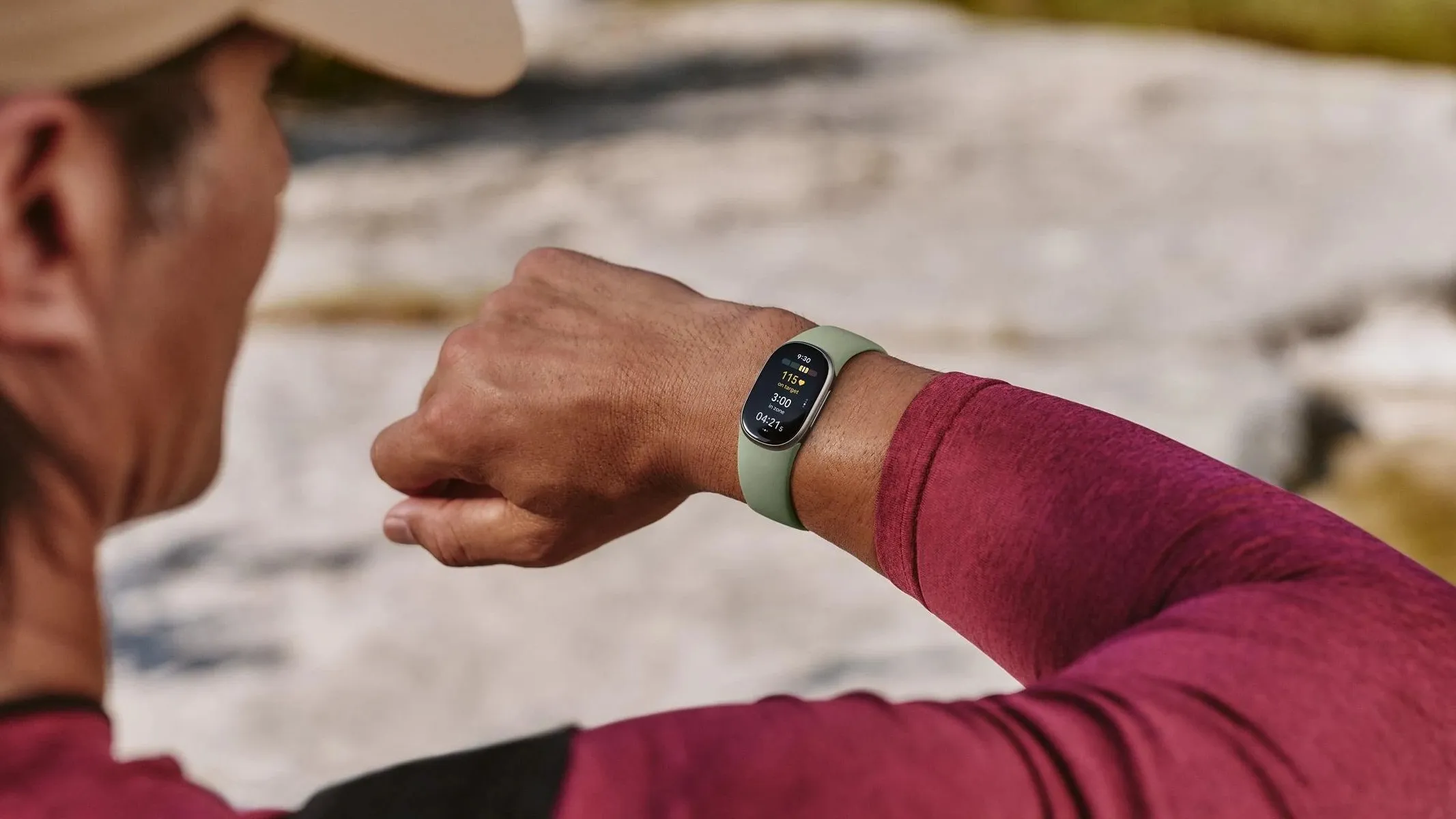
Fitbit Edge Review: Missing Charge 6 Features and New Additions Explained
Overview of the Fitbit Edge
The Fitbit Edge has just been announced as the latest wearable from Google. While it carries a design reminiscent of the Pixel Watch 5, it is positioned as the spiritual successor to the Fitbit Charge 6. Priced at £159 or $179, the Edge promises a sleek look, an IP68 water rating and a suite of new health metrics.
Missing NFC and Google Wallet Support
One of the most noticeable omissions is NFC. The Fitbit Charge 6 offered built‑in NFC that worked seamlessly with Google Wallet, allowing users to make contactless payments from their wrist. The Edge does not include this hardware, meaning the convenience of tap‑to‑pay is lost. For anyone who has grown accustomed to paying with a smartwatch, this is a significant drawback, especially given the higher price point.
No Dedicated Stress Tracking
Stress monitoring was a highlighted feature on the Charge 6, providing real‑time alerts and daily summaries. The Edge’s specifications and the Google Store description make no mention of any stress‑tracking capability. While some users may prefer to stay blissfully unaware of their stress levels, many rely on this data to manage wellbeing, making its absence a potential deal‑breaker.
Google Maps Not Yet Available
The Edge’s spec sheet lists Google Maps as ‘coming soon’. This temporary gap is puzzling because the Charge 6 launched three years ago with full Maps integration. Without native navigation, users miss out on a core Google experience that many expect from a Fitbit device, especially when using the watch as a hands‑free alternative to a phone in public spaces.
New Features That Add Value
Despite the gaps, the Edge introduces several upgrades. It retains the IP68 rating in addition to a 5ATM water resistance, meaning it can survive deeper immersion. New fitness tools include Gemini for fitness, cardio load and target cardio load metrics, real‑time visual guidance, and live in‑workout data on both the device and the app. Health tracking expands with floors climbed via an altimeter, monthly blood pressure trends, and monthly insulin resistance trends for Google Health Premium members. Additional conveniences such as a Morning Brief, quick replies, and a gyroscope round out the experience.
How It Stacks Up Against Competitors
When compared with other wearables like the Apple Watch Series 10 or the Samsung Galaxy Watch 6, the Edge offers a competitive price but falls short on NFC and built‑in navigation—features that are standard on many high‑end smartwatches. Users who prioritise seamless payments and on‑device maps may find the Charge 6 or even a budget Apple Watch a better fit.
Conclusion: Is the Fitbit Edge Worth Buying?
If NFC, stress monitoring and immediate Maps access are essential to your daily routine, the Fitbit Edge may feel like a step backwards despite its new health metrics. However, for users who value the expanded fitness suite, robust water resistance and the broader Google ecosystem, the Edge still presents a solid option. Consider your priorities carefully before pre‑ordering.