iPhone 18e Major Design Upgrade Leaves Base iPhone 18 Behind
iPhone 18e Design Upgrade Steals Spotlight from Base Model
Apple’s upcoming iPhone 18 lineup is shaping up to be one of the most interesting releases in recent years, with three distinct models expected to launch in early 2026. According to Bloomberg’s Mark Gurman, the base iPhone 18 and budget-friendly iPhone 18e will debut first in February or March, followed shortly by the iPhone Air 2. This staggered rollout reportedly stems from manufacturing constraints, though it aligns with Apple executive John Ternus’s vision of regular product releases throughout the year. The simultaneous arrival of the iPhone 18 and iPhone 18e marks a strategic shift from previous years where budget models launched months after flagship devices.
iPhone 18e Gets Significant Camera Redesign
The most striking change comes to the iPhone 18e, which CAD renders published by Engadget reveal will feature a small, squarish camera plateau housing the single rear camera, flash, and microphone. This represents a major departure from the iPhone 17e’s completely flat back with only a slightly protruding single lens. The new design gives the entry-level model a more modern appearance that visually distinguishes it from its predecessor while maintaining a compact footprint that appeals to users preferring smaller handsets.
iPhone 18e Packs Surprising Upgrades Under the Hood
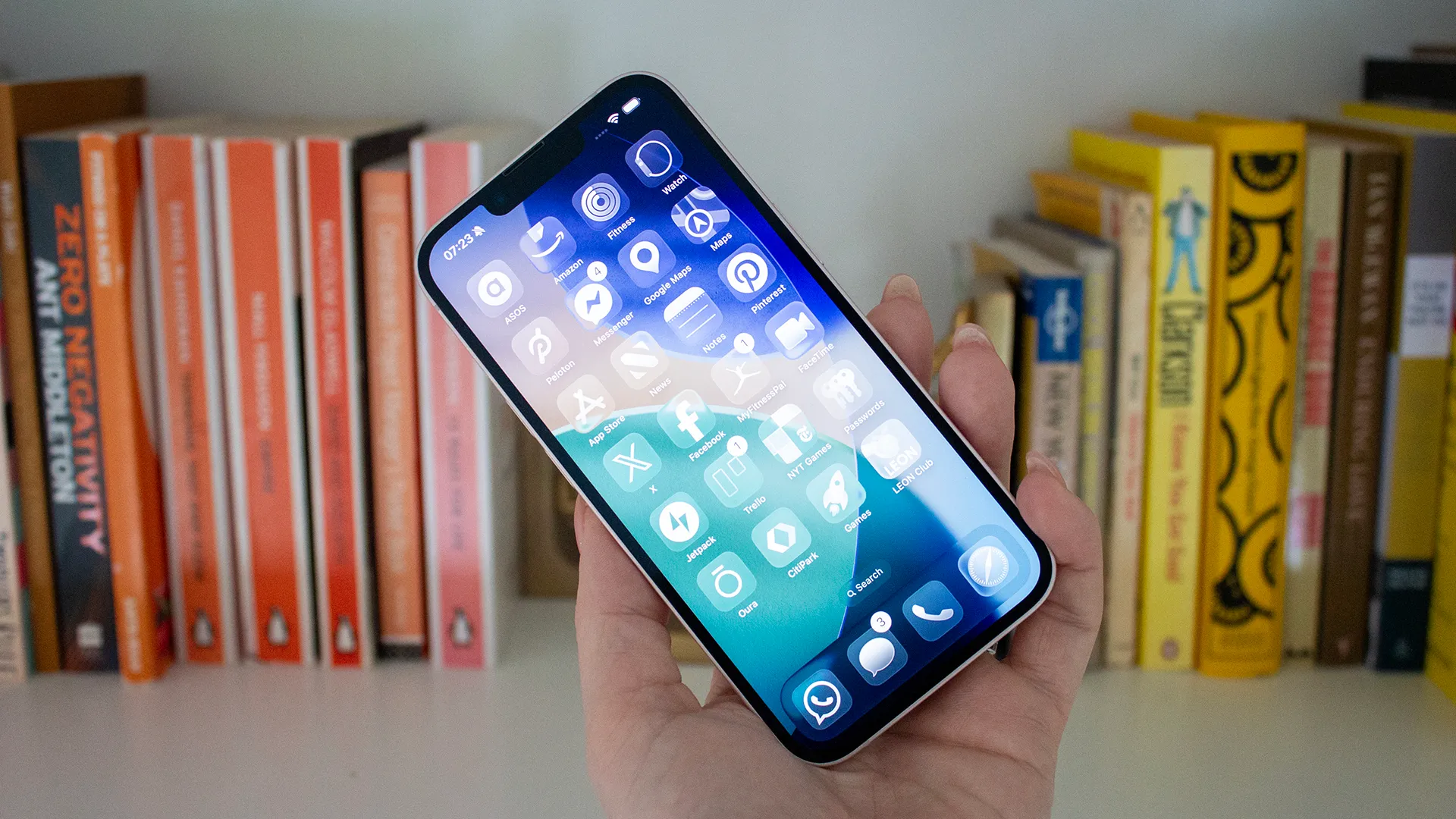
Beyond the exterior redesign, the iPhone 18e is rumored to include a 6.12-inch LTPS OLED display, a 24-megapixel selfie camera, Dynamic Island, and Apple’s new C2 modem. The device is expected to run on a cutting-edge 2-nanometer A20 chip, marking a significant performance leap for the entry-level tier. However, Apple has maintained certain compromises for its most affordable model: the iPhone 17e’s single 48-megapixel Fusion rear camera carries over, the display remains locked at 60Hz refresh rate, and on-device AI processing capabilities will be limited compared to Pro models. These trade-offs help maintain a clear separation between the 18e and the upcoming iPhone 18 Pro series.
Base iPhone 18 Sees Minimal Design Changes
In contrast, the standard iPhone 18 appears to be sticking closely to its predecessor’s design language. The only notable physical alteration is a barely perceptible increase in camera module depth from 3.45 millimeters to 3.8 millimeters, suggesting a possible sensor or lens upgrade. Other improvements are expected to be modest, including a peak brightness boost to 3,000 nits and an enhanced processor enabling more on-device AI modeling. The lack of substantial changes raises questions about the base model’s value proposition, especially when positioned alongside its more dramatically updated siblings.
iPhone Air 2 Adds Second Camera Lens
The iPhone Air 2 emerges as potentially the most compelling option of the trio. CAD renders confirm earlier rumors that this ultra-slim model will receive a second camera lens, addressing one of the main criticisms of the original iPhone Air. Combined with anticipated battery life improvements and a profile that could measure under six millimeters thick, the Air 2 could become the preferred choice for users prioritizing design elegance and camera versatility over raw specifications. The addition of a second lens suggests Apple is serious about establishing the Air line as a legitimate photography contender.
Pricing and Market Positioning Strategy
All three models are expected to retain the current Dynamic Island size rather than adopting the smaller version debuting on the iPhone 18 Pro and iPhone 18 Pro Max. The iPhone 18e is projected to undercut the base iPhone 18 by approximately two hundred pounds or two hundred dollars, and for the first time, both devices will launch simultaneously. This side-by-side debut creates direct competition within Apple’s own lineup, forcing buyers to weigh the 18e’s modern design against the base model’s potentially superior processing capabilities. The pricing strategy appears designed to capture budget-conscious consumers who might otherwise consider older generation iPhones or competing Android alternatives.
Future of the Base iPhone Model Uncertain
Persistent but unconfirmed rumors suggest Apple may be planning to phase out the traditional base model entirely, repositioning the Air series as the new standard offering. If these reports prove accurate, the transition could begin as early as spring 2026. For consumers, this means the iPhone 18 might represent the last of its kind, making the iPhone 18e and iPhone Air 2 the more strategically important purchases in Apple’s evolving smartphone portfolio. Industry analysts speculate that a streamlined lineup consisting of the 18e, Air 2, and Pro models would simplify consumer choice while maximizing Apple’s margins across distinct price tiers.