
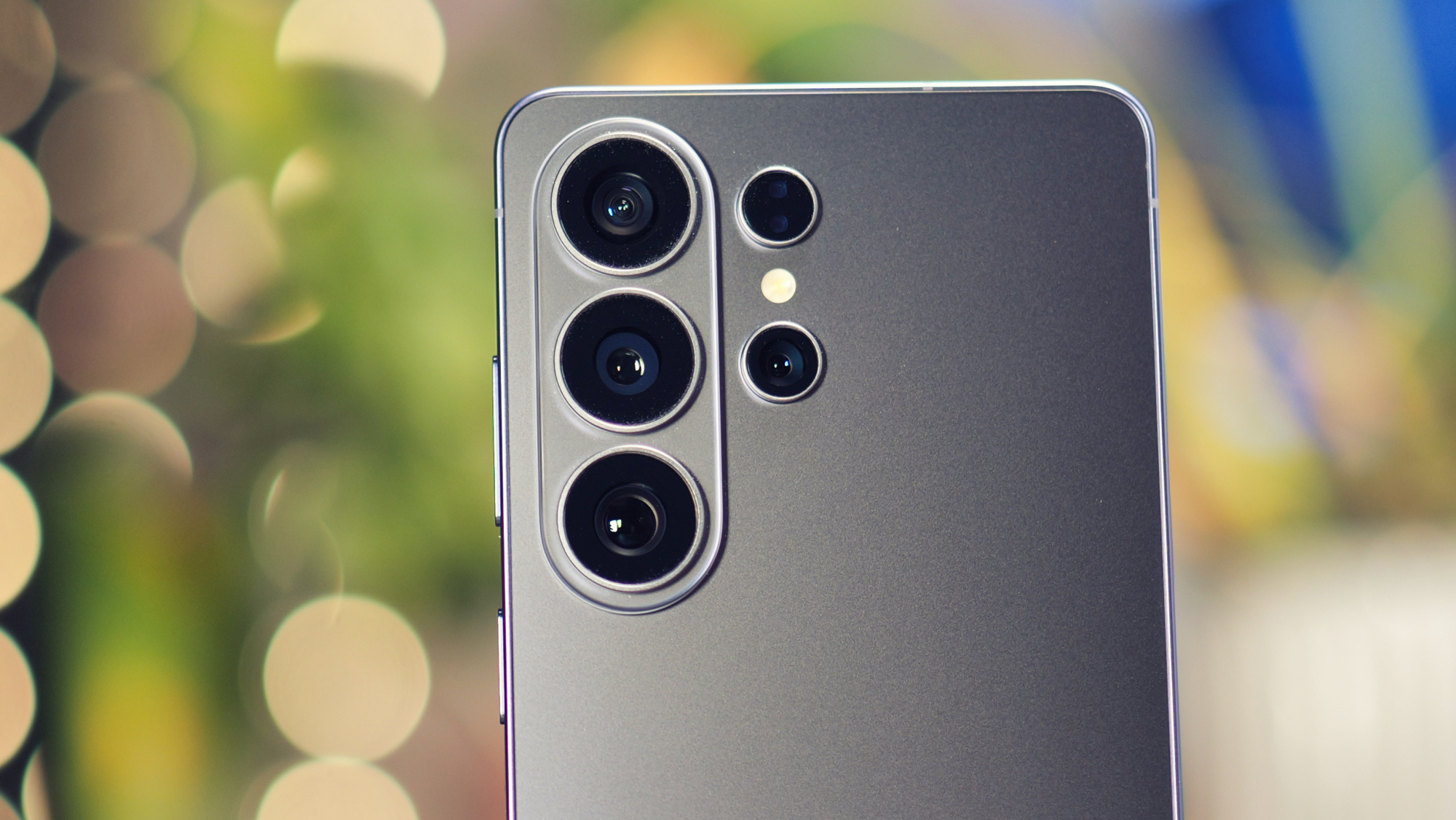
Samsung Galaxy S27 Ultra Loses Laser Autofocus in Major Camera Downgrade
Samsung Galaxy S27 Ultra Camera Leak Reveals Painful Hardware Removal
Excitement surrounding the upcoming Samsung Galaxy S27 Ultra has taken a sharp turn following a fresh leak from reliable tipster Ice Universe. The leak confirms that Samsung plans to remove the laser autofocus sensor from its next flagship, marking the first time the component has been dropped since its debut on the Samsung Galaxy S21 Ultra back in 2021. This decision raises serious questions about the direction of Samsung’s premium camera strategy.
What the Laser Autofocus Sensor Actually Does
The laser autofocus module uses an infrared transmitter to measure precise distance to the subject. On the current Samsung Galaxy S26 Ultra, this hardware delivers noticeably faster and more accurate focusing, especially in challenging low-light conditions. Its removal from the Samsung Galaxy S27 Ultra represents a tangible loss of physical capability that software alone may struggle to replicate.
Design Leaks Corroborate the Hardware Change
Recent dummy models and rendered images of the Samsung Galaxy S27 Ultra show only three camera modules — wide, ultra-wide, and telephoto — alongside an LED flash. The absent laser autofocus window aligns perfectly with Ice Universe’s claim. This visual evidence strengthens the credibility of the leak and suggests the design is near final.
Compounding Concerns: The Missing 3x Telephoto Camera
Adding to the worry, earlier leaks indicated the Samsung Galaxy S27 series would also lose the dedicated 3x telephoto camera found on the Samsung Galaxy S26 Ultra. Combined with the laser autofocus removal, the Samsung Galaxy S27 Ultra risks shipping with two significant hardware regressions compared to its predecessor. For loyal Ultra buyers, this feels like a step backward rather than forward.
Can AI and Image Processing Fill the Gap?
The central question now is whether advances in computational photography and AI-driven focus algorithms can compensate for the missing hardware. Samsung has invested heavily in Galaxy AI features across recent flagships, but laser autofocus provides physical distance data that software estimates cannot fully replace. Until real-world samples arrive, the Samsung Galaxy S27 Ultra’s low-light focusing performance remains a major unknown.
What This Means for the Ultra Legacy
The Samsung Galaxy S27 Ultra’s reputation as one of the best camera phones on the market will hinge on how well it performs without these components. If Samsung’s software magic delivers comparable results, the outrage may fade. If not, the Ultra line risks losing its hard-earned crown to rivals who continue stacking both hardware and software advantages.



2 Comments