Google Mandates Foldable Support for All Android Apps by 2027
Google Enforces Foldable Compatibility Across Android Ecosystem
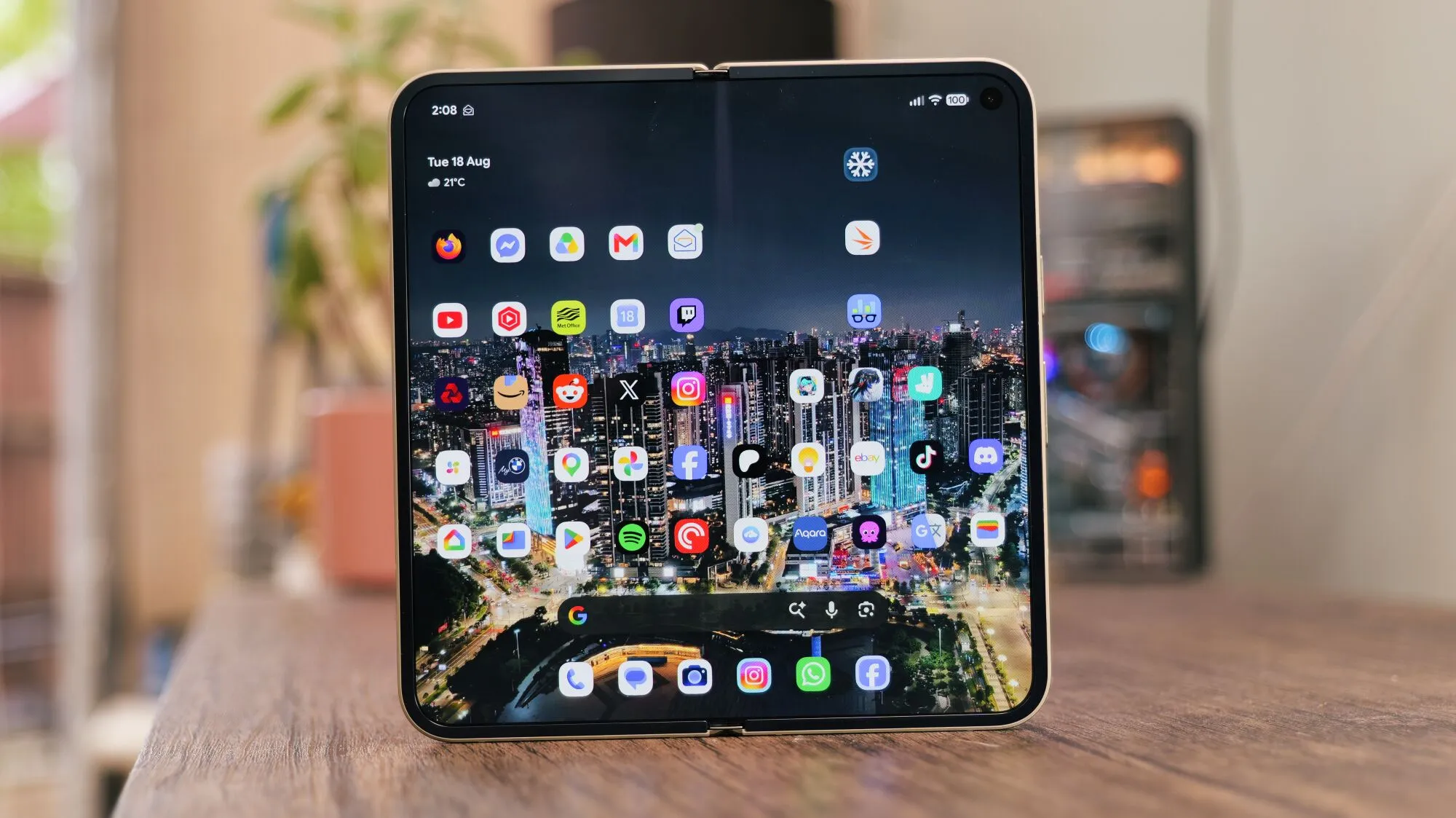
Google has announced that foldable phone support will become mandatory for all Android applications starting April 2027, marking a significant shift in the platform’s approach to adaptive design. The move comes as devices like the Samsung Galaxy Z Fold 6, Google Pixel 9 Pro Fold, and OnePlus Open gain mainstream traction, yet many apps still fail to deliver optimized experiences on flexible displays.
New Adaptive Quality Requirements Take Effect
In a Developers blog post, Google’s Mekka Okereke outlined the company’s hardline stance. When users invest in premium foldable hardware, they expect seamless transitions between folded and unfolded states. To ensure this premium experience, Google Play will enforce new adaptive app quality requirements that all developers must meet.
These requirements center on achieving Google’s “Adaptive ready” baseline tier. This means applications must run full-screen on all devices, maintain state during posture changes, support multi-window environments, and provide basic compatibility with external input devices including keyboards, mice, trackpads, and styluses. Additionally, developers must publish foldable device screenshots on their Google Play Store listings to signal readiness.
Games Receive Extended Timeline
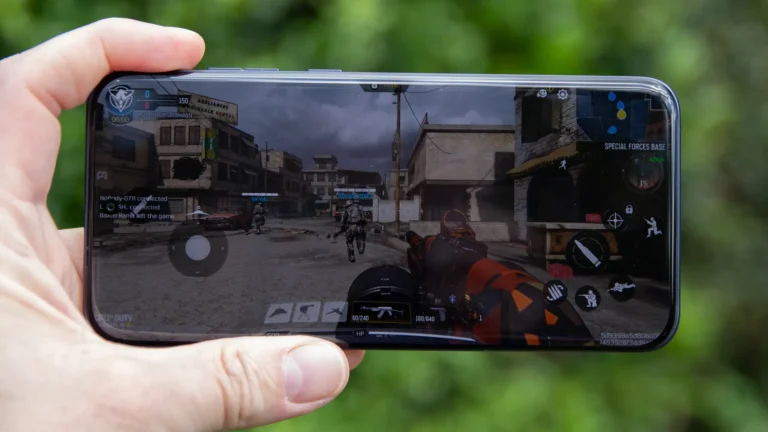
Recognizing the additional complexity involved in optimizing games for multiple screen formats, Google has granted game developers a reprieve until August 2027. This four-month extension reflects the intensive work required to adapt gaming experiences for devices like the Samsung Galaxy Z Flip 6 and Motorola Razr Plus 2024.
Addressing the App Gap
The mandate directly addresses a persistent criticism of the foldable category: inconsistent third-party app support. While Android has enjoyed a multi-year head start over competitors in the foldable space, the platform has struggled to ensure uniform app quality across diverse form factors. Google‘s new requirements aim to close this gap systematically.
What This Means for Developers
Development teams must now prioritize adaptive layouts, state preservation, and multi-window handling in their roadmaps. Apps that fail to meet the April 2027 deadline risk reduced visibility on Google Play or potential removal. The requirement for foldable screenshots on store listings also creates new marketing considerations for app publishers.
Industry Impact and Future Outlook
This policy shift signals Google’s commitment to making foldables a first-class citizen in the Android ecosystem. As devices like the Honor Magic V3 and Xiaomi Mix Fold 4 expand the market, consistent app experiences will become a key differentiator. Developers who invest early in adaptive design will gain competitive advantages as foldable adoption accelerates through 2027 and beyond.