

Google Pixel users face new bugs after Android 17 QPR1 rollout
Overview of the Android 17 QPR1 rollout
Google began distributing the first quarterly platform release of Android 17, known as QPR1, on 15 September. The update reached devices ranging from the flagship Google Pixel 7 Pro and Pixel 7 Pro XL down to the more affordable Google Pixel 6. Early expectations were high because the initial Android 17 launch was riddled with bugs, so many users hoped QPR1 would finally deliver a smooth experience.
How the community responded
Android Authority conducted a poll to gauge reactions from Pixel owners who installed the update. While roughly one third of respondents reported no new problems, a significant 68 per cent indicated they were encountering issues. It is important to note that poll participants are more likely to voice complaints, so the figures do not necessarily represent every Pixel user.
Most frequently reported problems
The survey highlighted several recurring themes. Performance slowdowns topped the list, with users describing laggy app launches and stuttery scrolling. Unexpected UI behaviour followed, including misplaced icons and erratic animation timing. Display glitches such as flickering screens or colour banding were also common. Connectivity failures, especially intermittent Wi‑Fi drops, rounded out the primary complaints. A smaller portion of respondents mentioned miscellaneous issues that did not fit into the main categories.
Impact on specific Pixel models
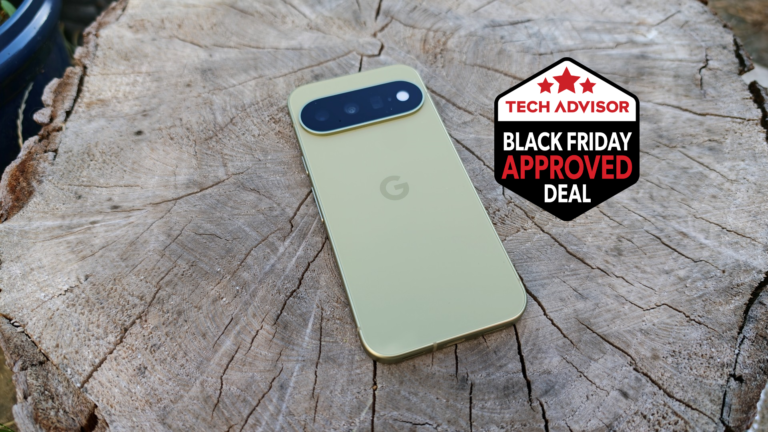
Owners of the Google Pixel 7 Pro noted that the high‑refresh‑rate display sometimes reverted to 60 Hz after the update, undermining the smoothness that the device is known for. Pixel 6 users reported more frequent Wi‑Fi disconnects, which affected streaming and video calls. Even the newer Google Pixel 6a experienced occasional app crashes that were not present on the stock Android 17 build. These problems contrast sharply with the stable performance many expected after the initial buggy launch.
Comparisons with other flagship phones
For context, Samsung Galaxy S24 Ultra users who upgraded to Android 13 did not encounter comparable stability issues, and Apple iPhone 15 Pro owners continue to benefit from iOS 17’s polished rollout. The disparity underscores how critical a clean quarterly update is for maintaining confidence in the Android ecosystem, especially for premium devices like the Google Pixel 7 Pro.
What to expect from Android 17 QPR2
Google has promised a second quarterly platform release, QPR2, slated for December. The upcoming patch is expected to address the most severe performance regressions, restore the Pixel 7 Pro’s adaptive refresh rate, and fix Wi‑Fi reliability on the Pixel 6 series. Early beta builds suggest that Google is prioritising stability over new features, which should reassure users who are hesitant to update.
Should you update now?
If your Pixel device is running the original Android 17 build without noticeable problems, you might consider waiting until QPR2 is widely available. Users who have already installed QPR1 and are experiencing only minor annoyances can often mitigate issues by clearing cache partitions or performing a factory reset, though these steps may not resolve deeper bugs. As always, backing up important data before any major system change is advisable.
Final thoughts
The first major Android 17 update has highlighted the challenges of delivering a seamless experience across a diverse hardware lineup. While a third of users enjoy a trouble‑free upgrade, the majority are still dealing with performance hiccups, UI quirks, and connectivity woes. The forthcoming QPR2 will be a crucial test of Google’s ability to restore confidence in the Pixel brand and keep pace with competing flagship smartphones.

One Comment